

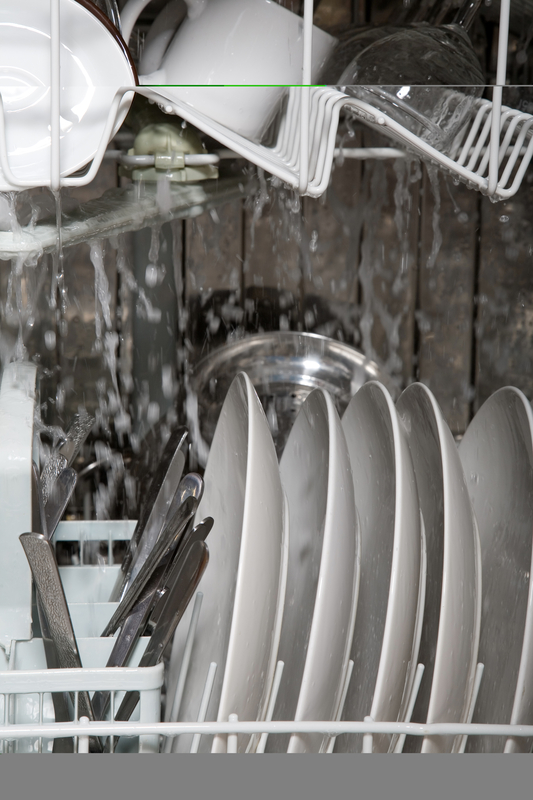
It’s an understatement to say that everyone has a different approach to loading the dishwasher. For some reason, it’s one of the most debated appliances in our homes. This includes the biggest question of all: Should you rinse dishes before loading them into the dishwasher?
We thought we’d check in with a few pros and find out their most recent thoughts on the matter.
Meet the Experts
- Dennis Godynuk is a licensed dishwasher expert and owner of Comfort Appliance Repair TN.
- Kathy Cohoon is the operations director at Two Maids with over twenty years of hands-on cleaning experience.
The answer from both our experts was the same: A resounding no, you do not need to rinse your dishes first.
“Modern dishwashers are designed to handle dirty dishes,” says dishwasher expert Dennis Godynuk. “Besides, dishwashing detergents often need bits of food particles to cling to and break down later on.”
Professional Cleaner Kathy Cohoon agrees.
“Most major dishwasher manufacturers now explicitly state there is no need to pre-rinse dishes before loading them,” she says. “You simply need to scrape off large food particles such as bones, toothpicks, and excessive grease.”
In fact, Cohoon says you can actually throw off any sensors in your machine if you pre-rinse, leading to a less efficient clean.
What to Do If Your Dishwasher Isn’t Cleaning Right
Every appliance will have its own issues and depreciation over time—dishwashers are no exception. Here are a few things you can do if yours just isn’t cleaning the way it used to.
Check Your Make and Model
While pre-rinsing isn’t necessary for most dishwashers, Cohoon points out that the key word here is most. Before you start assessing all the possible problems with your dishwasher, take a look at your make and model.
“In older dishwasher models—10 to 15 years or older—a very light rinse or soak may help,” says Cohoon. “But for most modern homes, the scrape-and-load approach is enough.”
Run Your Sink Hot First
If you’re finding your dishes are coming out with leftover residue, they might not be getting properly rinsed in the dishwasher.
One hack from Godynuk is to run your sink hot first before pressing start on your dishwasher, so that your dishwasher starts its cycle with hot water. This should help unstick anything that’s particularly stubborn.
Check the Spray Arms
Another option is to take a look at the spray arms inside your machine by spinning them manually.
“If they don’t spin or holes look clogged, rinse them and clear holes with a wooden toothpick,” says Godynuk.
This can also be removed and cleaned further, if needed—just be sure to snap it back on correctly.
Clean the Bottom Filter
People often forget about the bottom filter. Godynuk says this can be removed and cleaned with dish soap and a brush—and that should be done once a month.
But if you have hard water, a deeper clean might be in order. Godynuk suggests running a dishwasher cleaner or citric acid on an empty cycle, ideally once a month.
“Make sure the drain hose under the kitchen sink has a high loop so dirty water can’t flow back in,” he says.
Treat the Stains
Obviously, if your machine really isn’t working properly, you might need to treat any stubborn stains. While even red wine or coffee marks should come off in the machine, sometimes they persist.
“If stains hang on, soak glasses in warm water with a little white vinegar in the sink,” Godynuk says. “For coffee rings, a baking soda paste works.”
Load the Machine Correctly
This is another ongoing debate, but Godynuk says yes, it does matter how you load your dishwasher. Space between your dishes is important, and plates should all face the center.
“Bowls tilt down,” Godynuk adds. “Don’t let forks and spoons nest.”
Check the Setting
It might be tempting to keep things simple and always use the same setting, but Godynuk says you’re not going to get the best work from your machine this way.
“Use auto or heavy for sticky stuff,” he says. “Quick is only for light soil.”
If you notice your glassware is cloudy, that’s another sign you’re using the wrong setting.
“Glass that looks cloudy and will not clear with vinegar can be etching from heat and strong wash chemistry,” he explains. “That needs gentler cycles and less detergent going forward.”
Use a Rinse Aid
Along with a monthly cleaner, Godynuk says you should always use a rinse aid—and keep the tank topped up.
“If you get white film, use a labeled dishwasher booster,” he says. “I skip strong perfume boosters.”
Ashley Chalmers, The Spruce