

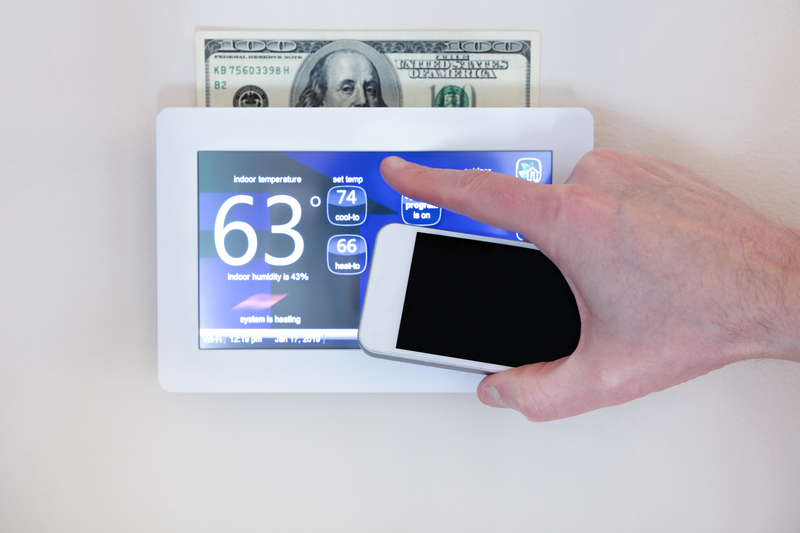
This summer’s heat dome brought on more than scorching temperatures. It also generated sky-high electricity bills.
If you’re looking for a way to save some cash and stay cool during triple-digit temps, precooling might be an option.
“When you precool, you essentially run your air-conditioning system earlier in the day (usually before peak heat and peak electric rates) with the hopes of keeping your home cooler for longer, while taking strain off the system,” says Benjamin Uscilla, owner and HVAC technician at Evergreen Heating & Cooling in Hamden, CT.
But does precooling actually work? And if so, is it worth it?
The answer depends on your home, location, and electric company.
What precooling is—and why it’s trending now
Precooling is when you run your air conditioner earlier in the day, typically in the morning or early afternoon so that your house is already nice and cool before outdoor temperatures spike.
“The main goal is to reduce or avoid running the AC during the late afternoon and early evening hours. Those are usually the hottest and most expensive times of the day for electricity,” says Steve Robbins, owner of Robbins Heating & Air Conditioning in Farmington, NM.
So, what’s the reason behind the precooling trend? More utility companies are switching to time-of-use pricing—meaning energy costs a lot more during peak hours.
“As a result, people are trying to cut their bills without sacrificing comfort, and precooling is a simple strategy that may allow for that,” explains Robbins.
If you have a smart thermostat, you’ll find it much easier to schedule temperature changes throughout the day.
“Combine them with rising summer temps and increasing energy rates. It’s no surprise this is something folks are paying attention to,” says Robbins.
Will it save you money—and keep your house cool?
As long as you do it right, precooling has the potential to lower your cooling costs.
“Here in Albuquerque, we’re on a time-of-use plan through PNM. During off-peak hours, electricity runs about 8 or 9 cents per kilowatt-hour. However, during peak hours, it jumps up to around 22 cents,” explains Robbins.
Most central AC systems use about 3.5 kilowatts per hour—running it six hours a day during peak hours to keep the house cool would cost you around $4.60 a day. If you precool your home earlier in the day while the rates are lower, and then let the house coast through the afternoon with maybe just a little bit of AC later—your cost could drop closer to $2.75 a day.
Keep in mind that not all homes are created equal. If you live in a drafty or older home, this strategy might not be as effective as if you’re in a well-insulated space. Also, you might not benefit from this strategy unless your electric company charges variable rates.
Other ways to keep your home cool—and your bill down
If you determine that precooling doesn’t make sense for your particular situation, don’t fret. These cooling strategies might do the trick:
Add blackout curtains
Blackout curtains might be effective, especially on the sunny side of the house. “Just be sure to keep the blinds closed during the day,” explains Uscilla.
Take advantage of ceiling fans
Ceiling fans can help circulate air in your home. “Make sure they’re spinning counterclockwise in the summer,” says Robbins.
Maintain your air filters
Keep your air filters clean and replace them monthly when your system is running regularly. Dirty filters make your system work harder and run longer.
Be mindful of when you use certain appliances
“Try not to use heat-producing appliances like ovens or clothes dryers during the hottest part of the day,” explains Robbins.
It doesn’t seem like much, but it adds to the cooling load in your home and can force your air conditioner to work harder when rates are highest.
Invest in smart thermostats
Smart thermostats can be helpful.
“While they’re not magic, they can help you avoid running the AC when you’re not home or at peak hours,” says Uscilla. Plus, you can control them from anywhere using your mobile device.
Schedule routine HVAC checks
It’s a good idea for a technician to inspect your HVAC system—ideally every spring and fall. They’ll be able to check system pressure, condensate lines, and overall performance to prevent costly breakdowns and ensure optimal efficiency.
Anna Baluch, realtor.com